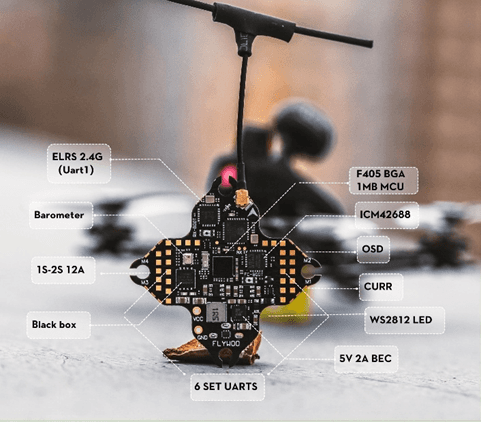
How to Choose a Flight Controller for a Drone (Beginner to Advanced Guide)
A flight controller (FC) is the *brain of a drone*. It controls stability, movement, sensors, motors, and communication. Choosing the right flight controller is one of the most important decisions when building or upgrading a drone.
In this guide, you'll learn how to choose a flight controller for a drone, even if you are a complete beginner.
What Is a Flight Controller in a Drone?
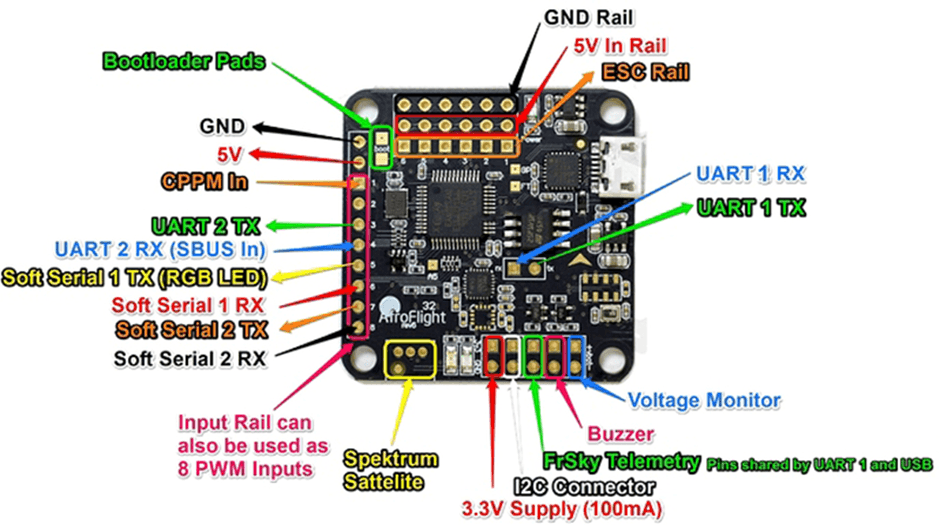
A flight controller is a small circuit board that performs critical functions to keep your drone operational:
- 1Reads data from sensors (gyro, accelerometer, barometer)
- 2Processes pilot commands
- 3Sends signals to ESCs and motors
- 4Keeps the drone stable in the air
**Without a flight controller, a drone cannot fly properly.**
Why Choosing the Right Flight Controller Matters
The flight controller you select directly impacts your drone's performance and capabilities. Making the wrong choice can result in serious issues, while the right choice unlocks your drone's full potential.
Problems from Choosing Wrong
- 1Unstable flight
- 2Poor GPS performance
- 3Limited upgrade options
- 4Compatibility issues
Benefits of Choosing Right
- 1Smooth flight
- 2Better control
- 3Future upgrades
- 4Easy tuning and configuration
Types of Flight Controllers for Drones
1. Toy / Beginner Flight Controller
- 1Found in ready-to-fly toy drones
- 2Limited features
- 3Not recommended for custom builds
2. Hobby & Professional Flight Controller
These controllers are used in various professional and hobbyist applications:
Common Applications:
- 1FPV drones
- 2Camera drones
- 3DIY drones
Popular Firmware Options:
- 1Betaflight (FPV & racing)
- 2INAV (GPS & long range)
- 3ArduPilot / Pixhawk (professional & autonomous)
Microcontroller (MCU): The Heart of a Flight Controller
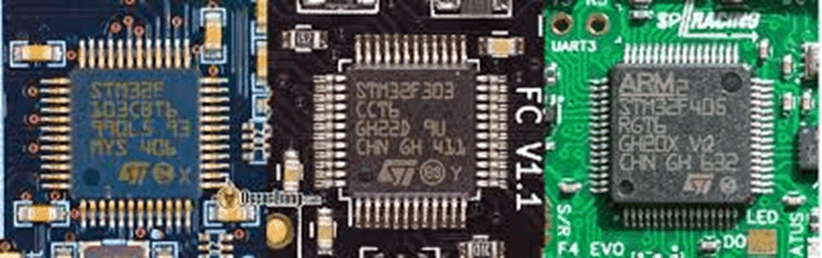
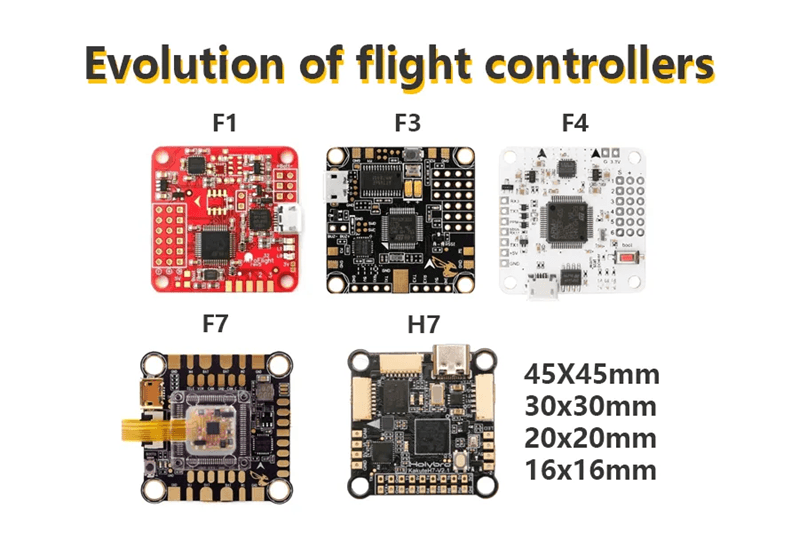
The MCU (Microcontroller Unit) is the core processor that defines how powerful the flight controller is. Different MCU types offer varying performance levels:
If you are starting out, an **F4 or F7 flight controller** is perfect for learning and building your first drone.
Sensor Types to Look for: Gyroscope & Accelerometer
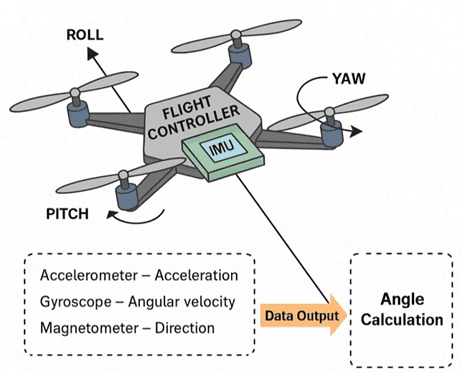
The gyroscope and accelerometer sensors are crucial for flight stability. The most common sensor options available are:
- 1MPU6000 (very stable)
- 2ICM20602
- 3ICM42688 (new & powerful)
A good gyro = smooth flight. Investing in quality sensors directly improves flight performance.
Firmware Compatibility (Very Important)
Before purchasing a flight controller, you must verify which firmware it supports. Different firmware options are designed for different use cases:
Betaflight
- 1Best for FPV racing & freestyle
- 2Easy setup
- 3Large community support
INAV
- 1GPS features
- 2Return-to-Home
- 3Good for beginners who want GPS
ArduPilot / Pixhawk
- 1Autonomous flight
- 2Waypoints
- 3Used in research & industry
Size & Mounting (Frame Compatibility)
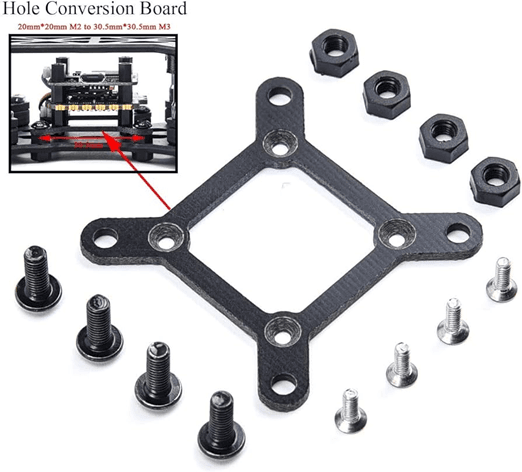
Flight controllers come in various sizes to fit different drone frames. It's crucial to match the FC size with your frame size:
- 130.5 × 30.5 mm → Standard 5-inch drones
- 220 × 20 mm → Compact frames
- 316 × 16 mm → Micro drones
Always match FC size with drone frame. Incompatible sizes will result in installation problems.
Input & Output Ports (Connectivity)
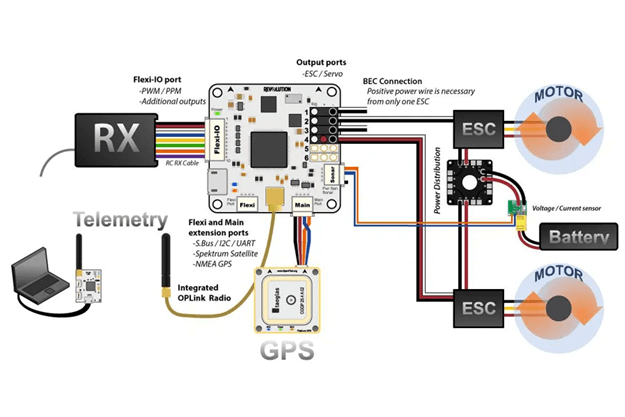
Before making your purchase, carefully check what ports and connectors the flight controller offers. This determines what peripherals you can connect.
Must-Have Ports
- 1UARTs (for GPS, receiver, telemetry)
- 2ESC signal pins
- 3Battery voltage sensor
- 4Current sensor
Optional but Useful
- 1Blackbox (flight data logging)
- 2OSD
- 3Camera control
- 4SD card slot
Power System Compatibility
The flight controller must be compatible with your power system. Ensure the FC supports:
- 13S – 6S LiPo
- 25V & 9V BEC output
- 3Clean power for camera & VTX
Poor power design = noisy video & sensor errors. Always verify power specifications.
GPS Support (If Needed)
If you want to use GPS features in your drone, select a flight controller that supports them:
Choose a flight controller that includes GPS support if you need:
- 1Return to Home
- 2Position hold
- 3Long-range flying
GPS-capable flight controllers should have:
- 1Multiple UARTs
- 2Supports GPS firmware (INAV / ArduPilot)
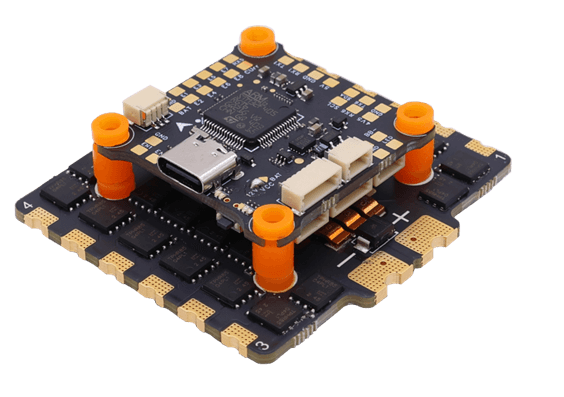
All-in-One (AIO) vs Separate FC
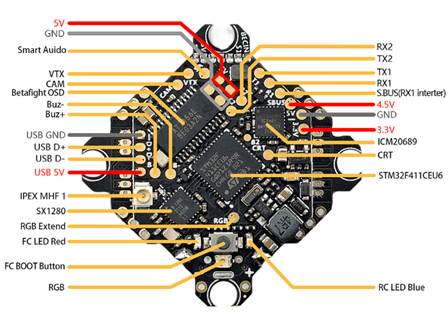
AIO Flight Controller
- 1Smaller size
- 2Lighter weight
- 3Best for micro drones
Separate Flight Controller
- 1Better heat handling
- 2Easier repair
- 3More stable for big drones
Beginner Mistakes to Avoid
- 1Buying the latest FC without need
- 2Ignoring firmware compatibility
- 3Choosing wrong FC size
- 4Not checking power ratings
- 5Buying no-name brands
Best Flight Controllers for Beginners (Examples)
- 1SpeedyBee F4 / F7
- 2Matek Systems FCs
- 3Holybro Pixhawk (for ArduPilot)
- 4Diatone Mamba series
**Always buy from trusted brands.** Quality and support matter more than saving a few dollars.
How to Choose a Flight Controller - Summary Checklist
- 1Decide drone type (FPV / GPS / Camera)
- 2Choose firmware first
- 3Select MCU (F4 / F7 / H7)
- 4Match frame size
- 5Check ports & power support
- 6Think about future upgrades
Final Thoughts
Choosing the right flight controller for a drone doesn't need to be confusing. When you understand your drone purpose, firmware, and hardware compatibility, the decision becomes easy.
A good flight controller means:
- 1Better flight performance
- 2More safety
- 3More fun flying your drone