
How to Choose an ESC for a Drone (Complete Beginner to Pro Guide)
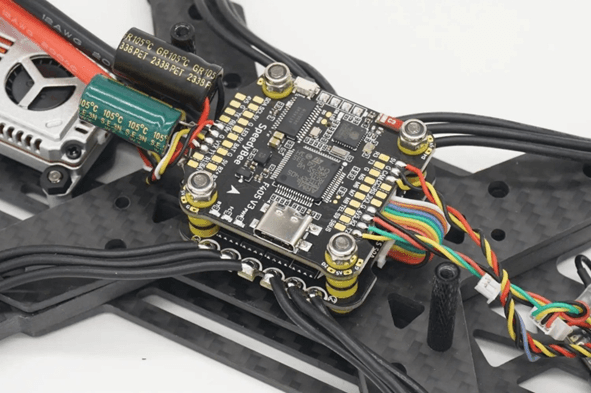
Choosing the right ESC (Electronic Speed Controller) is one of the most important decisions when building a drone. An ESC controls the speed of the BLDC motor, directly affecting flight stability, efficiency, power delivery, and safety.
Many beginners focus only on motors and batteries, but a wrong ESC choice can cause serious problems. Understanding ESC specifications and matching them correctly ensures safe, reliable flight operations.
Problems from Wrong ESC Choice
- 1Motor overheating
- 2ESC burning
- 3Sudden mid-air failure
- 4Poor flight performance
In this guide, you'll learn exactly how to choose the correct ESC for your drone, whether it's a racing drone, FPV drone, camera drone, or DIY project.
What Is an ESC in a Drone?
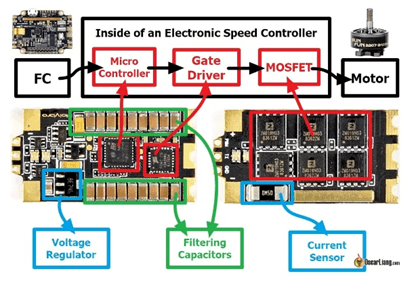
An ESC (Electronic Speed Controller) is the critical component that bridges your battery, flight controller, and motor:
- 1Converts battery DC power into 3-phase AC
- 2Controls motor speed using throttle signals
- 3Communicates with the flight controller
- 4Provides smooth acceleration and braking
**ESC = Bridge between Battery → Flight Controller → Motor**
Types of Drone ESCs
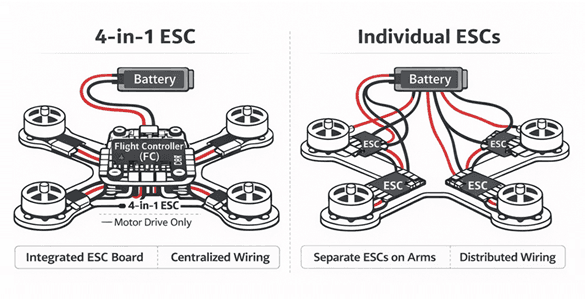
1. Single (Individual) ESC
- 1One ESC per motor
- 2Easy to replace
- 3Better heat dissipation
- 4Slightly heavier
Beginners, large drones, and custom builds where modularity is important.
2. 4-in-1 ESC
- 1Four ESCs on one board
- 2Lightweight and compact
- 3Cleaner wiring
FPV racing drones, freestyle drones, and compact builds that prioritize weight savings.
Key Factors to Choose the Right ESC for a Drone
1. ESC Current Rating (Amp Rating)
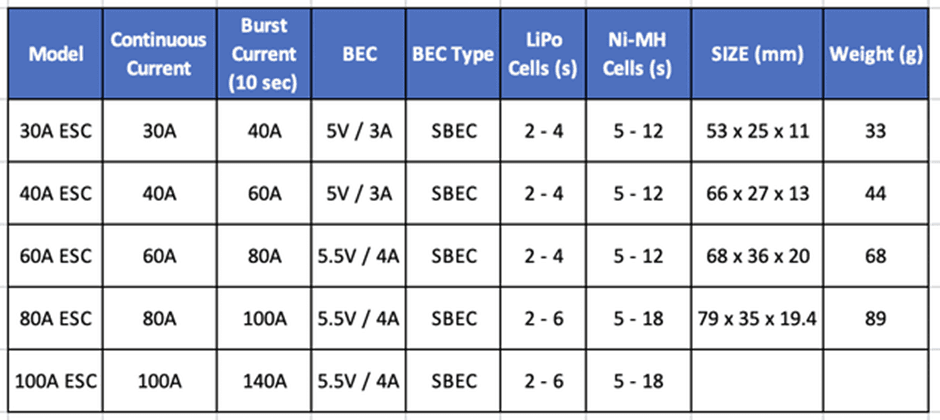
The ESC amp rating must be higher than your motor's maximum current. This is the most critical specification to match.
**ESC Current ≥ Motor Max Current × 1.3**
Example Calculation
- 1Motor max current: 28A
- 2Minimum ESC needed: 35–40A
- 3This 30% safety margin prevents ESC damage
Using a **low-amp ESC** can burn it **instantly**. Always oversizing amp rating is safer than undersizing.
2. Battery Voltage Compatibility (Cell Count)
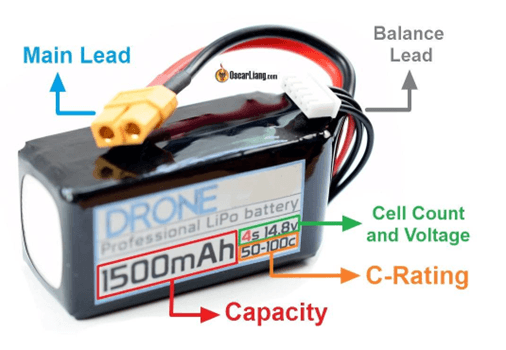
ESCs support specific LiPo cell counts (S rating). Your ESC must match your battery voltage exactly:
**Always check ESC voltage rating before connecting battery.** Connecting wrong voltage can permanently damage the ESC.
3. ESC Firmware (Very Important)
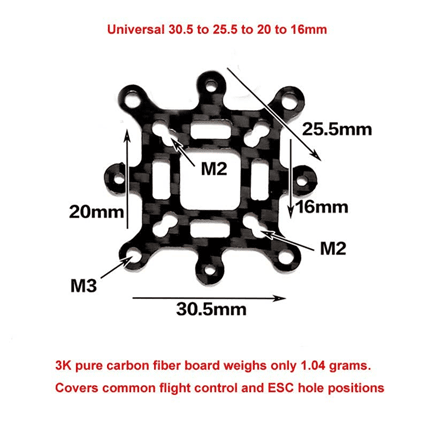
Modern ESCs use different firmware types that significantly affect performance and compatibility:
Most Popular ESC Firmware
- 1BLHeli_S – Beginner friendly, stable
- 2BLHeli_32 – Best performance, telemetry support
- 3SimonK – Old, outdated
**BLHeli_32 ESCs** are highly recommended for FPV drones.
4. ESC Protocol Support
ESCs communicate with flight controllers using specific communication protocols. The protocol determines responsiveness and data transfer speed:
- 1PWM (old, slow)
- 2OneShot125
- 3Multishot
- 4DShot300 / DShot600 / DShot1200 (digital & best)
Always choose ESCs that support **DShot protocols**
5. BEC (Battery Eliminator Circuit)
Some ESCs have built-in BEC to power:
- 1Flight controller
- 2Receiver
- 3Camera
Common BEC Outputs
- 15V / 2A
- 29V / 2A
Many **4-in-1 ESCs do NOT include BEC**, so check carefully.
6. ESC Size & Mounting Pattern
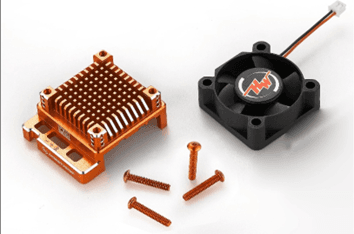
ESCs must fit your drone frame. The size and mounting pattern must be compatible with your frame design:
Common Mounting Sizes
- 120×20 mm (FPV racing)
- 230×30 mm (Freestyle & camera drones)
Also verify:
- 1Wire length compatibility
- 2Solder pad size and layout
7. Cooling & Build Quality
Good thermal design prevents ESC failure during demanding flight. Quality ESCs incorporate cooling features:
Signs of Good ESC Build Quality
- 1Thick copper layers for better heat dissipation
- 2High-quality MOSFETs (power transistors)
- 3Heat sinks or optimized airflow design
- 4Professional solder joints and component placement
Poor cooling = ESC failure during flight. Invest in quality ESCs with proven thermal designs.
ESC Selection Example (Real-World)
Example FPV Drone Setup
- 1Motor: 2207 1750KV
- 2Battery: 4S LiPo
- 3Motor maximum current: 32A
Recommended ESC Selection
**45A BLHeli_32 4-in-1 ESC (4S/6S compatible)**
Why This Selection
- 145A rating provides 40% safety margin above 32A motor current
- 2BLHeli_32 firmware offers best performance
- 34S/6S compatibility allows battery flexibility
- 44-in-1 format keeps drone compact and lightweight
Common ESC Mistakes to Avoid
- 1Choosing ESC with same amp rating as motor peak current
- 2Ignoring battery voltage rating compatibility
- 3Buying cheap no-brand ESCs from unknown manufacturers
- 4Poor soldering and using thin wire gauge
- 5Not checking BEC requirements for your setup
Best ESC Brands for Drones
Choose ESCs from established, reliable manufacturers with good community support and quality control:
- 1Hobbywing
- 2SpeedyBee
- 3Holybro
- 4T-Motor
- 5iFlight
Final Checklist Before Buying an ESC
- 1Amp rating ≥ motor maximum current (with safety margin)
- 2Supports your battery voltage (3S/4S/6S)
- 3Features BLHeli_32 or modern firmware
- 4Supports DShot protocol
- 5Physical size fits your frame
- 6Has good cooling design
- 7From a trusted brand
Conclusion
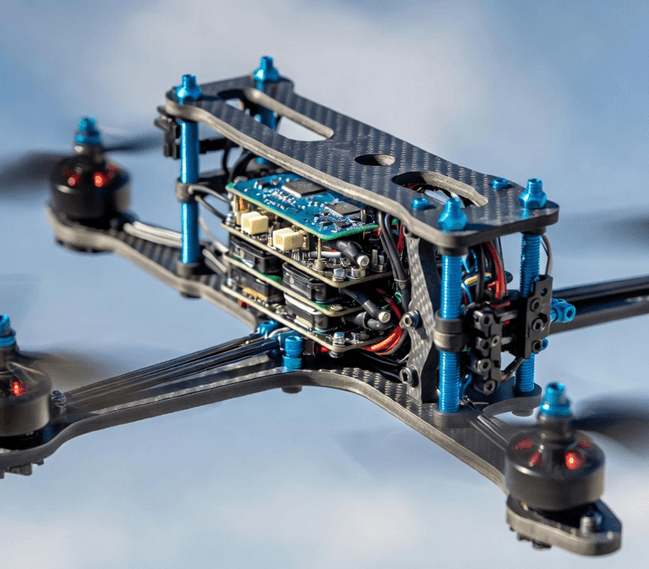
Choosing the right ESC is not about buying the most expensive one—it's about matching it correctly with your motor, battery, and drone type. A good ESC ensures smooth flight, longer lifespan, and safe operation.
The ESC is as important as the motor and flight controller. Never compromise on ESC quality if you want a reliable, high-performing drone. Take time to understand the specifications, match them carefully with your components, and your drone will reward you with stable, efficient flight.
If you're serious about drone building, **never compromise on ESC quality**.